How to Choose the Right Small O Rings for Your Projects?
Choosing the right small O rings for your projects can seem daunting. With so many options available, it’s easy to feel overwhelmed. These little components play a critical role in sealing applications. They can prevent leaks and ensure functionality in various systems.
Small O rings come in different sizes, materials, and shapes. Each choice impacts performance and durability. Consider the environment where they will be used. For example, some materials resist heat better than others. Not all small O rings are equal in strength or flexibility. You might find that a specific size fits but does not meet your needs.
Careful evaluation is essential. Look for testing methods to assess performance. Relying solely on numbers can be misleading. Remember, what works for one project might not suit another. Take your time, and don’t rush the decision. Reflect on your project's demands.
Understanding the Different Types of Small O Rings Available
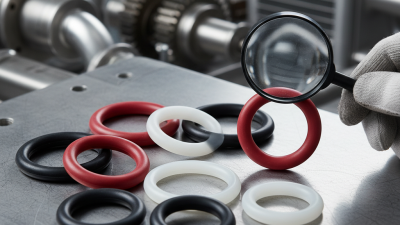
When selecting small O rings for your projects, understanding the different types available is crucial. O rings can be made from various materials including rubber, silicone, and fluorocarbon. Each material has unique properties affecting durability, temperature resistance, and chemical compatibility. For instance, silicone is flexible and works well in low temperatures, but may not hold up against certain chemicals. In contrast, fluorocarbon O rings are more resistant to heat and aggressive substances.
The size and cross-section of O rings matter too. Standard sizes exist, but custom options are often necessary. This can lead to challenges with sourcing if precise measurements are required. Choosing the correct cross-section is vital because it influences sealing effectiveness. A ring that is too thick might not fit, while one that is too thin may leak. It’s also important to consider the application environment, like pressure levels or exposure to oils. These factors can significantly affect the O ring's performance.
You may experience difficulties during your selection process. Sometimes, the perfect O ring eludes you. Customer feedback can be inconsistent, leading to confusion. Trial and error might be involved, especially if you are experimenting with new projects. Engaging with knowledgeable sources can make a difference, but it may not guarantee success every time. Keep refining your approach, as finding the right O ring is an essential step in ensuring project reliability.
Understanding the Different Types of Small O Rings
Assessing Material Compatibility for O Rings in Your Projects
When selecting small O rings for projects, assessing material compatibility is key. Different materials offer varying resistance to temperature, chemicals, and wear. For example, rubber O rings may excel in sealing applications but can degrade when exposed to certain solvents. Assess the environment: will the O ring face heat? Will it contact oils? These questions guide your choice.
Tips: Always test a sample in your project conditions. Unexpected reactions can occur. Even slight variances in chemical composition can impact performance.
Consider the specific materials being handled. Nitrile is good for oil, while silicone withstands heat. Yet, silicone may not suit every application. Seek expert advice if unsure. Measure and double-check sizes to prevent leaks. Tight tolerances can save on future headaches. Each project presents unique challenges. Take time to analyze before making a selection.
Evaluating Size and Dimensions for the Perfect Fit
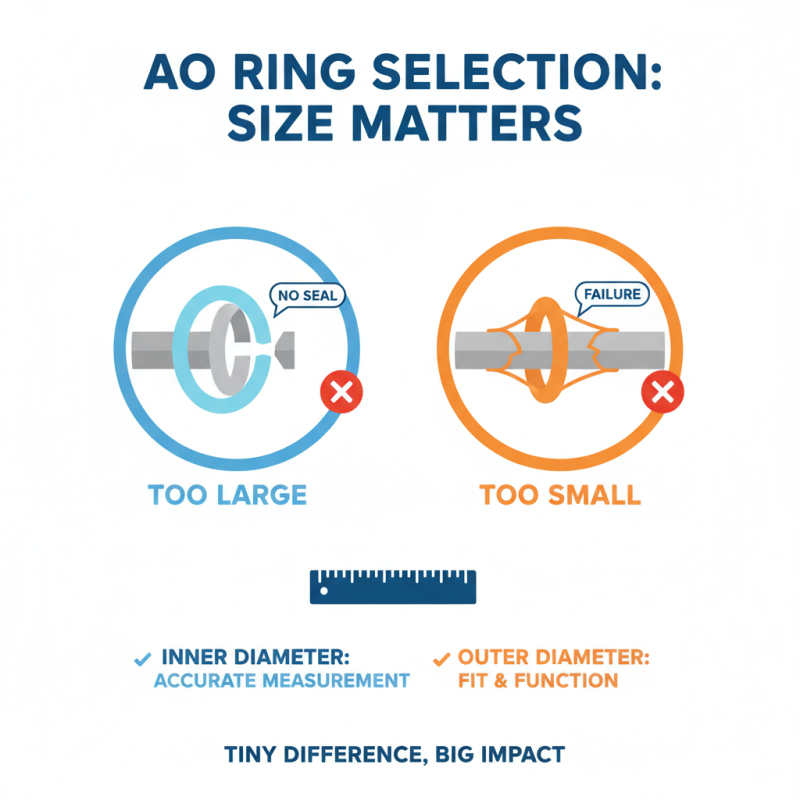
When selecting small O rings for your projects, size is critical. Each project has specific requirements. A O ring that is too large may not create a proper seal. On the other hand, a ring that is too small will fail quickly. Measure the inner diameter accurately to avoid issues. The outer diameter also affects fit and function. Just a tiny difference can change everything.
Consider the thickness, or cross-section, of the O ring as well. A ring that is too thick can cause misalignment. Conversely, a ring that is too thin may not provide adequate sealing. This is an area often overlooked. Many users assume any thickness will work. Experimenting with different sizes can lead to better results.
Keep in mind the material also plays a role. Some projects might expose the O rings to different temperatures and chemicals. Therefore, the right dimensions must pair with the appropriate material. Testing O rings in real conditions reveals weaknesses. This process is essential for long-term reliability.
Identifying the Appropriate Application and Environment for O Rings
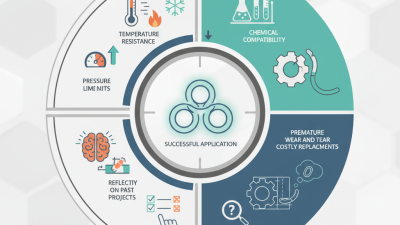
Choosing the right small O rings starts with understanding your specific application and environment. Consider the nature of the fluids or gases they will seal. For instance, harsh chemicals require O rings made of durable materials. Make sure the material can withstand exposure without degrading.
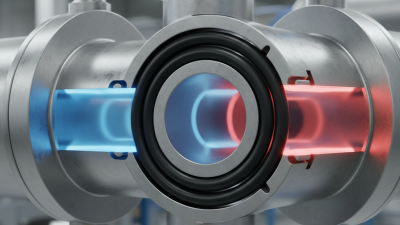
Next, think about the temperature range. Too hot or too cold can affect performance. Some O rings may lose elasticity in extreme conditions. It’s crucial to test in conditions similar to the final use. Also, don't forget about the pressure levels involved. Higher pressures demand stronger O rings. Failing to assess this can lead to leaks or failures.
Another aspect to reflect on is the installation process. Improper installation can ruin even the best O rings. Ensure that the groove dimensions match the O ring size. A mismatch might cause premature wear. Review your fitting techniques. Any mistakes here could result in costly downtime. Consider these factors carefully to make an informed choice.
Tips for Sourcing Quality Small O Rings from Suppliers
When sourcing small O rings, quality is crucial. You should start by evaluating suppliers' certifications and standards. Reports from the Rubber Manufacturers Association state that up to 30% of O rings might fail due to material inconsistencies. Consider how the manufacturer adheres to ASTM and ISO standards during production.
Analyze the material options available for small O rings. Common materials like Nitrile and Silicone possess different durability levels. Nitrile is suitable for oil resistance, while Silicone performs better in temperature extremes. According to a recent market analysis, nearly 40% of manufacturers express dissatisfaction with product longevity. Thus, understanding your project's specific needs is vital.
Request samples before making a bulk purchase. Many suppliers provide sample O rings for testing purposes. This step allows you to evaluate how well these seals fit into your application. The quality of the seal can dramatically impact performance. A significant number of projects fail due to improper component selection. Take your time; it's better to find the right fit than to rush and face costly issues later.