How to Choose the Right Molded Rubber Components for Your Project?
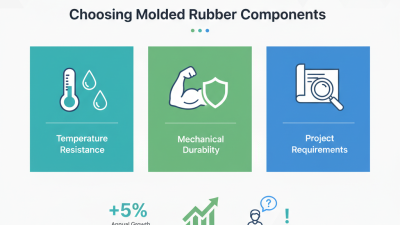
Choosing the right Molded Rubber Components for your project significantly impacts the final product's performance and durability. As industries increasingly rely on custom solutions, the molded rubber market is projected to grow substantially, with a 5.4% CAGR from 2021 to 2028, according to a recent report by Grand View Research. This growth emphasizes the importance of understanding the specific needs of your application.
Selecting the right components is not merely about availability; it requires technical assessment and industry insights. Factors such as hardness, compression set, and temperature resistance are crucial. Yet, many overlook these details, leading to potential project failures. A survey by the Rubber Manufacturers Association highlights that a staggering 40% of projects suffer due to improper material selection.
It is essential to engage with industry experts and conduct thorough research. Understanding the intricacies of different rubber formulations can prevent costly mistakes. Not every molded rubber component fits every application. Awareness of these factors will ensure longevity and performance in the final product. Emphasizing rigorous evaluation processes can lead to smarter, more effective choices in molded rubber components.
Understanding the Basics of Molded Rubber Components
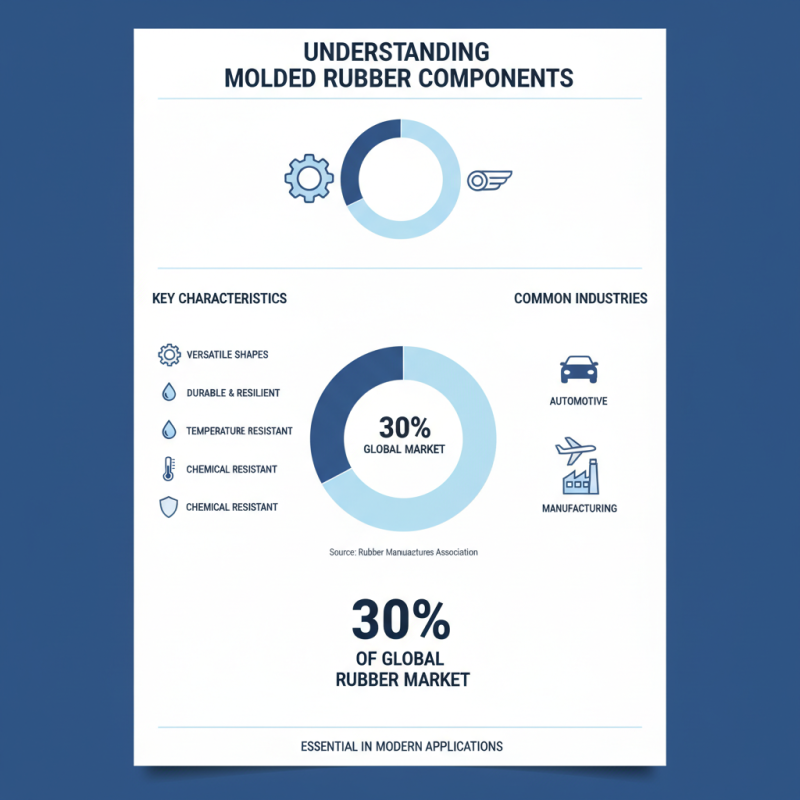
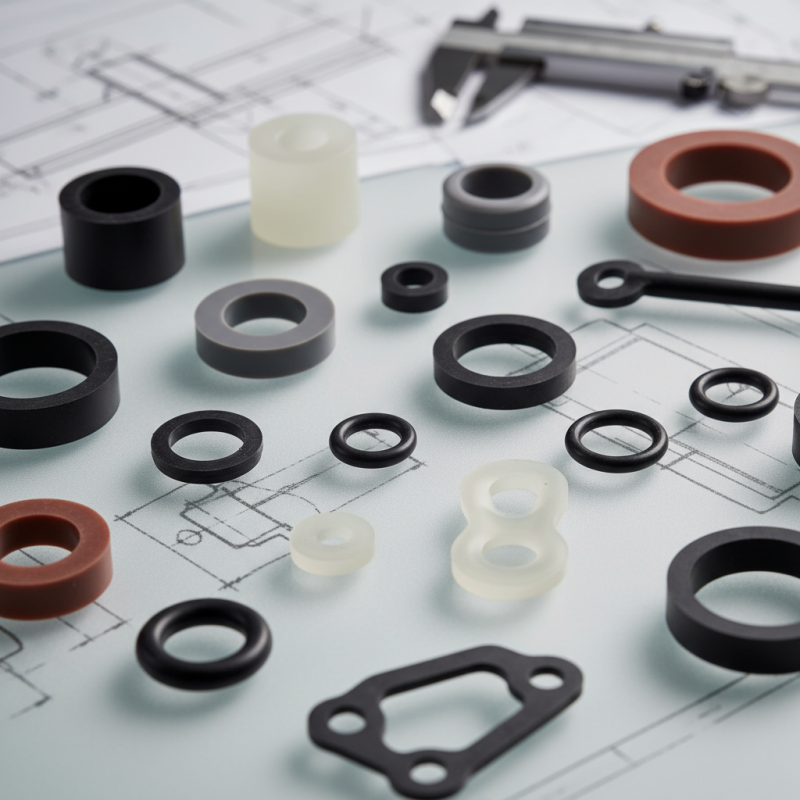
When considering molded rubber components, understanding their basic characteristics is essential. These components are widely used across industries, such as automotive and aerospace. According to the Rubber Manufacturers Association, molded rubber products account for nearly 30% of the global rubber market. This statistic emphasizes the prevalent role these components play in various applications.
Molded rubber can be formulated for specific needs. For instance, natural rubber offers flexibility, but synthetic versions, like EPDM, provide excellent weather resistance. Data from the American Society for Testing and Materials indicates that EPDM can withstand extreme temperatures, making it ideal for outdoor applications. Yet, manufacturers often face a challenge when balancing properties like durability and elasticity. Different projects might require different formulations.
It's essential to evaluate the requirements of your project thoroughly. Questions arise, such as: What environment will these components face? How will they interact with other materials? Each application poses unique challenges. Assembling a team of experts can lead to better decision-making. Data-driven choices ensure the components meet the necessary specifications while reducing potential issues during production. Understanding these nuances can significantly impact performance and longevity, highlighting the importance of careful selection in your project.
Identifying the Specific Needs of Your Project
When identifying the specific needs of your project, it's crucial to consider various factors. Start by evaluating the operational environment. For example, components used in automotive applications may require heat resistance, while those in food processing need compliance with sanitary standards. According to a recent industry report, 70% of mold failures stem from inadequate material selection for the environment.
Next, assess the mechanical requirements. Factors such as tensile strength, elasticity, and durability play a critical role. Studies indicate that up to 65% of molded rubber components experience premature failure when not engineered for their intended use. Understanding the demands of your project helps in choosing the right materials and designs, avoiding costly mistakes.
Finally, think about the functional requirements. Will the components be exposed to chemicals? Will they need to maintain a seal under pressure? These considerations heavily influence the rubber type. The right choice can enhance product performance dramatically. Each decision should reflect a detailed analysis of your project needs. Delving deep into these specifics can yield better outcomes and save time and resources.
Comparison of Material Properties for Molded Rubber Components
Evaluating Material Types and Their Properties
Choosing the right molded rubber components is crucial for project success. Understanding material types and their properties can guide better decisions. For instance, natural rubber offers excellent resilience and elasticity. However, it performs poorly in UV exposure and temperature fluctuations.
In contrast, synthetic rubbers like EPDM and neoprene excel in harsh environments. EPDM maintains flexibility in extreme temperatures, while neoprene resists oils and chemicals. According to industry reports, EPDM is often preferred for automotive and roofing applications due to its durability.
Evaluating the hardness, tensile strength, and abrasion resistance is essential. Shore hardness measurements can impact the component's performance significantly. Selecting harder options might improve longevity, yet it can reduce flexibility. This trade-off needs careful consideration. Always test materials under actual conditions. Data from the Rubber Division of the American Chemical Society indicate a gap in understanding properties across industries. Addressing this gap can lead to better choices and enhance project outcomes.
Considering Tolerances and Design Specifications
When selecting molded rubber components, tolerances and design specifications are vital. These factors ensure the components meet project demands. A report from the Rubber Manufacturers Association highlights that improper tolerances can lead to a 25% increase in manufacturing costs. Small miscalculations in design can have significant consequences.
Design specifications drive the performance of molded rubber parts. Materials vary in elasticity, hardness, and durability. Understanding these properties directly impacts the functionality of the final product. A study by the American Society for Testing and Materials noted that rubber with the correct hardness can improve product lifespan by up to 30%. Designers often overlook this, leading to early failure in applications.
Tolerances often vary across different projects. The ability to maintain tight tolerances can create challenges. Errors like dimensional deviations might cause assembly issues. Engineers must work closely with manufacturers to ensure clarity on acceptable limits. This collaboration can uncover latent issues and refine component viability. It's essential to reflect on these aspects during the initial design phase.
How to Choose the Right Molded Rubber Components for Your Project?
| Component Type |
Material Type |
Thickness (mm) |
Tolerances (mm) |
Hardness (Shore A) |
Max Temp (°C) |
Applications |
| Seals |
Nitrile Rubber |
2.5 |
±0.1 |
70 |
120 |
Automotive, Industrial |
| Gaskets |
EPDM Rubber |
3.0 |
±0.2 |
65 |
150 |
Plumbing, HVAC |
| Bushings |
Natural Rubber |
4.0 |
±0.3 |
50 |
80 |
Machinery, Automation |
| Plates |
Silicone Rubber |
5.0 |
±0.2 |
60 |
200 |
Food Processing, Medical |
| O-Rings |
Viton Rubber |
1.5 |
±0.05 |
75 |
250 |
Chemical, Aerospace |
Selecting Reliable Manufacturers and Suppliers
Selecting the right manufacturer for molded rubber components is crucial for project success. Start by researching companies with a solid reputation. Look for suppliers who specialize in your specific industry. This ensures they understand your unique requirements.
Tips: Check the manufacturer's certifications. A reliable supplier should have quality certifications such as ISO 9001. This shows their commitment to maintaining high standards.
Evaluate their production capabilities. A company should offer a range of materials and customization options. This flexibility can make a significant difference in meeting your project’s needs. Don't hesitate to ask for samples or prototypes; they can reveal the quality of the components.
Tips: Read reviews and testimonials from previous clients. Genuine feedback can uncover potential issues that might not be apparent at first glance. Engage with the manufacturer. Direct communication can help you gauge their responsiveness and expertise. Your project deserves a partner who is invested and reliable.