2026 How to Choose the Best Black Rubber O Rings for Your Needs?
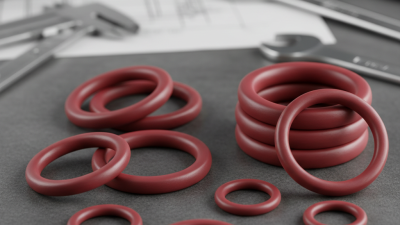
In the world of industrial applications, choosing the right components is crucial. Black Rubber O Rings are often overlooked, yet they play a vital role in sealing solutions. Experts emphasize their importance. John Smith, a leading engineer in sealing technologies, once stated, "Selecting the right Black Rubber O Rings is essential for reliable performance."
When considering Black Rubber O Rings for your projects, you must assess various factors. Material quality, size, and application environment can significantly impact performance. Not all O Rings are created equal. A mismatch can lead to failures or costly malfunctions.
Much of the selection process is about understanding your specific needs. Users often make mistakes by prioritizing price over quality. It's not an easy task to navigate through the myriad of options in the market. Carefully evaluating options will lead to more informed decisions while choosing Black Rubber O Rings.
Understanding the Different Types of Black Rubber O Rings Available in the Market
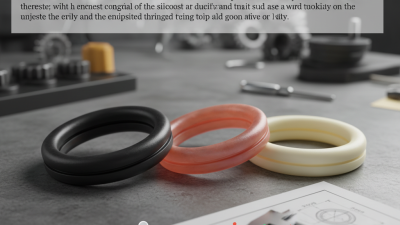
When selecting black rubber O rings, understanding the various types available is vital. The market offers nitrile, fluorocarbon, and silicone options, each serving unique applications. Nitrile O rings are commonly used in automotive and industrial settings. They are resistant to oil and fuel. Fluorocarbon O rings excel in high-temperature environments, making them suitable for specialized sectors. Silicone variants, while ideal for lower-pressure applications, offer excellent flexibility.
Industry reports show that the demand for rubber O rings is projected to grow by 5% annually. This increase is driven by advancements in manufacturing processes and materials. While many assume that a simple rubber ring will suffice, selecting the right compound ensures durability and functionality. Selecting the wrong type can lead to failures and costly repairs.
Not all O rings perform equally. Factors such as temperature range, chemical compatibility, and pressure ratings come into play. Some options may not withstand harsher environments. Engaging with suppliers who understand these nuances is essential. Knowledgeable vendors can provide insights into material choices and assist in making informed decisions that align with operational requirements.
Key Specifications to Consider When Selecting Black Rubber O Rings
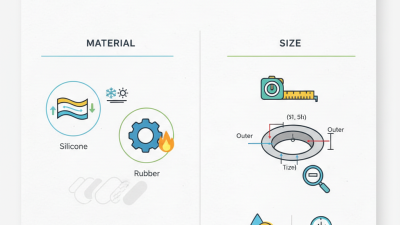
When selecting black rubber O-rings, durability is key. Consider the material composition.
Nitrile and silicone are popular choices.
Nitrile O-rings offer good abrasion resistance. They excel in oil and fuel applications.
Silicone O-rings, on the other hand, perform well in extreme temperatures.
Think about your specific environment and choose accordingly.
Another crucial specification is the O-ring size.
Measure the inner diameter and cross-section accurately.
Even a small variation can affect performance.
An improper fit can lead to leaks or failures. Standard sizes are available, but custom sizes are often necessary.
Be sure to check the tolerance levels for precision applications.
Don't overlook the hardness. This is measured on the Shore scale.
Softer O-rings are more pliable, while harder ones are more rigid. Each application has its own requirements.
Research and testing can help determine the right hardness for your situation.
Sometimes, what seems ideal might not hold up in practice. Testing and adjustment may be needed.
Evaluating Material Properties: Why Durometer and Chemical Resistance Matter
When selecting black rubber O-rings, understanding material properties is crucial. Durometer, a measure of hardness, significantly impacts performance. O-rings with lower durometer ratings are softer, providing flexibility and better sealing under pressure. However, using too soft a material can lead to rapid wear. Industry studies show that O-rings with a durometer rating between 70 and 90 Shore A balance flexibility and durability effectively.
Chemical resistance is another key factor. O-rings must withstand the specific substances they encounter. A report from the Rubber Manufacturers Association indicates that many failures in seal performance stem from using the wrong rubber type. Compatibility charts provide guidance, but anecdotal evidence often reveals unexpected reactions. For instance, certain oils can degrade rubber compounds, while others may not. This illustrates the importance of not solely relying on material ratings.
Careful consideration of these properties ensures more reliable performance in intended applications. Poor choices can lead to leaks, equipment damage, and increased maintenance costs. Thus, vigilance in evaluating both durometer and chemical resistance is essential for optimal seal functionality.
Material Properties of Black Rubber O Rings
Applications of Black Rubber O Rings in Various Industries
Black rubber O rings are essential components in many industries, from automotive to aerospace. They provide sealing solutions that prevent leaks and protect sensitive parts. The versatility of these O rings makes them a preferred choice in various applications. According to a recent industry report, the global demand for rubber sealing products is expected to grow by 5.2% annually through 2027.
In the automotive sector, black rubber O rings are commonly used in engine components and fuel systems. They withstand high temperatures and aggressive fluids. In aerospace, these O rings ensure safety and efficiency in hydraulic systems. Their ability to maintain elasticity and durability is vital in extreme conditions. Corrosion resistance plays a significant role in their effectiveness.
Tip: When selecting O rings, consider the application’s temperature range and fluid compatibility. The material's hardness is also crucial for ensuring the proper seal. Choosing the wrong O ring can lead to system failures. Always consult with experts when in doubt. Balance cost with the reliability needed for safety-critical applications. Each choice matters, especially in high-stakes environments like aviation.
In the consumer goods sector, black rubber O rings are found in household appliances and plumbing fixtures. Users often overlook these components until leaks occur. Regular maintenance and inspection can prolong the life of these seals. Understanding material properties can help in making informed decisions. Not all O rings are created equal, and mismatches can lead to unwanted repairs.
2026 How to Choose the Best Black Rubber O Rings for Your Needs? - Applications of Black Rubber O Rings in Various Industries
| Industry |
Application |
O Ring Material |
Temperature Resistance (°C) |
Pressure Rating (psi) |
| Automotive |
Sealing engine components |
Nitrile (NBR) |
-30 to 100 |
150 |
| Aerospace |
Sealing hydraulic systems |
Fluoroelastomer (FKM) |
-20 to 200 |
3000 |
| Food Processing |
Sealing pumps and valves |
Silicone |
-60 to 200 |
50 |
| Oil & Gas |
Sealing pumps and compressors |
Chloroprene (CR) |
-20 to 100 |
200 |
| Pharmaceuticals |
Sealing industrial equipment |
EPDM |
-40 to 120 |
150 |
Cost Analysis: Balancing Quality and Affordability in O Ring Selection
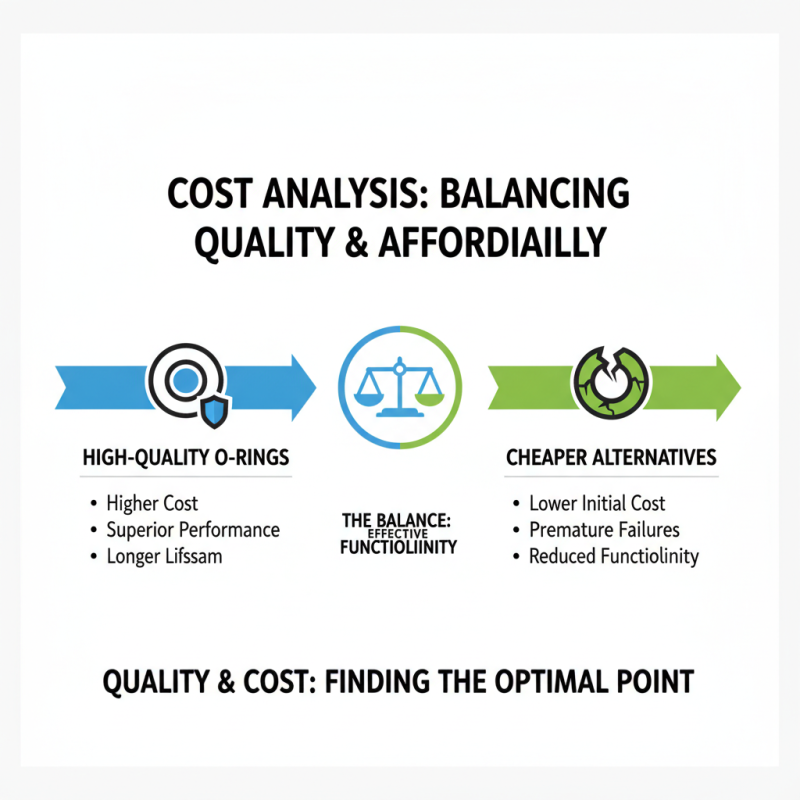
When selecting black rubber O rings, cost is a critical factor. High-quality O rings can be expensive, but they ensure better performance and longevity. However, it’s tempting to opt for cheaper alternatives. This often leads to premature failures. The balance between cost and quality is essential for effective functionality.
Quality O rings provide durability, which often translates into long-term savings. Cheaper O rings may save money upfront, but they can cause issues down the line. Frequent replacements can outweigh initial savings. It’s important to consider the environment where the O rings will be used. Factors like temperature, pressure, and exposure to chemicals impact their performance.
Investing in well-made O rings can enhance overall system reliability. It’s wise to assess supplier reviews and user experiences. This research helps you choose reliable products. Be cautious, as the cheapest option might not offer the needed quality. Opt for a product that fits your budget while meeting your specific requirements. Balancing these aspects takes time and reflection but is crucial for optimal performance.