How to Choose the Right Fuel O Rings for Your Vehicle?
Choosing the right Fuel O Rings for your vehicle can be challenging. These small but crucial components play a significant role in preventing leaks and ensuring efficient fuel system operation. A recent industry report indicates that improper sealing can lead to fuel losses of up to 15%, causing both economic and environmental impacts.
Fuel O Rings must meet specific size and material specifications. The materials often used include rubber, nitrile, and Viton. Each type has its strengths. For instance, Viton O Rings can withstand higher temperatures and resist fuel degradation better than standard options. This choice can ultimately prolong engine life and enhance performance.
However, not all vehicles are created equal. Some car models have unique requirements that make it hard to select the right Fuel O Rings. It's wise to consult vehicle maintenance manuals or experts. Overlooking details here can lead to costly repairs or decreased efficiency. Making informed choices requires diligence and research. Taking the time to understand options may save you from future frustrations.
Understanding Fuel O Rings and Their Importance in Vehicles
Fuel O rings are essential components in a vehicle’s fuel system. They create a secure seal that prevents fuel leaks. These rings are made from various materials, ensuring durability against harsh conditions. Understanding their role is crucial for maintaining vehicle performance.
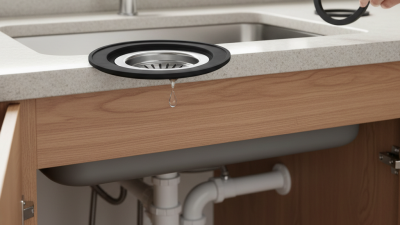
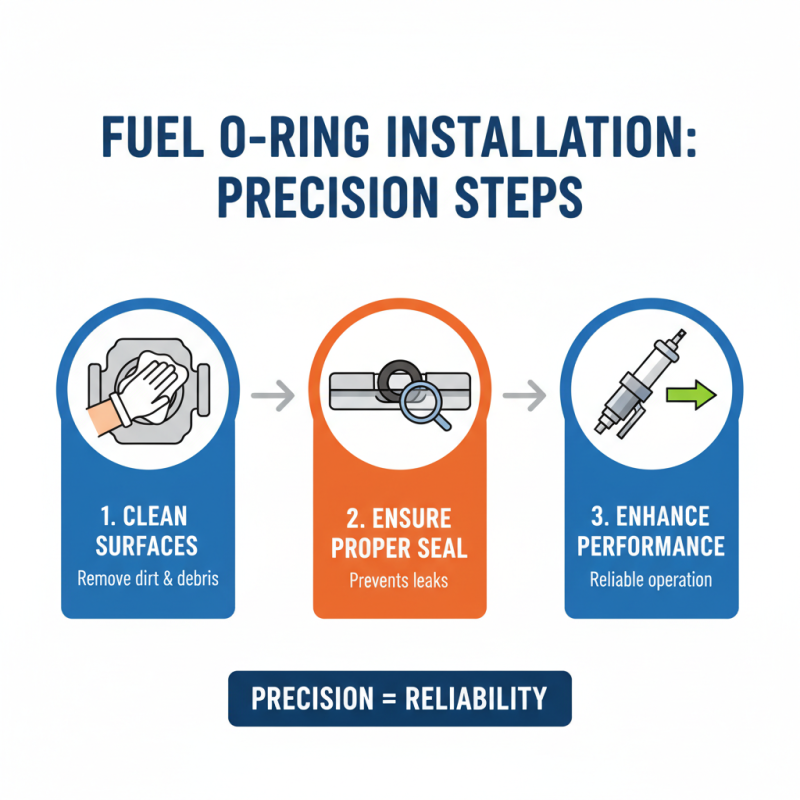
The importance of fuel O rings cannot be overstated. A worn or damaged O ring can lead to fuel leakage, which may cause engine problems or safety hazards. Inspecting these components regularly helps prevent costly repairs. Replacing them is often overlooked, yet it can save money in the long run.
Choosing the right O rings requires careful consideration. Factors like size, material, and temperature resistance are vital. A mismatch can lead to failures. It’s easy to assume that all O rings are the same, but this isn’t true. Taking time to research can make a significant difference in your vehicle's health.
How to Choose the Right Fuel O Rings for Your Vehicle?
| Dimension |
Material Type |
Temperature Range (°C) |
Chemical Resistance |
| 9.25 mm ID x 1.78 mm thick |
Nitrile Rubber (NBR) |
-40 to 100 |
Fuel, Oil |
| 10 mm ID x 2 mm thick |
Fluoroelastomer (FKM) |
-20 to 200 |
Gasoline, Ethanol |
| 12 mm ID x 1.5 mm thick |
Silicone |
-50 to 150 |
Limited |
| 8 mm ID x 2.5 mm thick |
Polyurethane |
-30 to 80 |
Diesel, Oil |
Identifying the Right Size and Specification for Your Vehicle's O Rings
Choosing the right fuel O rings for your vehicle can be challenging. Understanding the size and specification is crucial. Vehicles have different requirements based on their design and engine type. The O rings must fit perfectly to prevent leaks and ensure proper fuel flow.
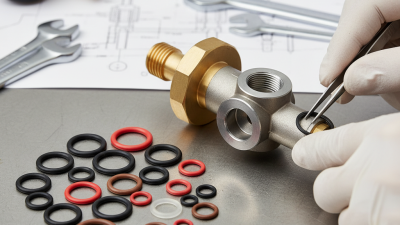
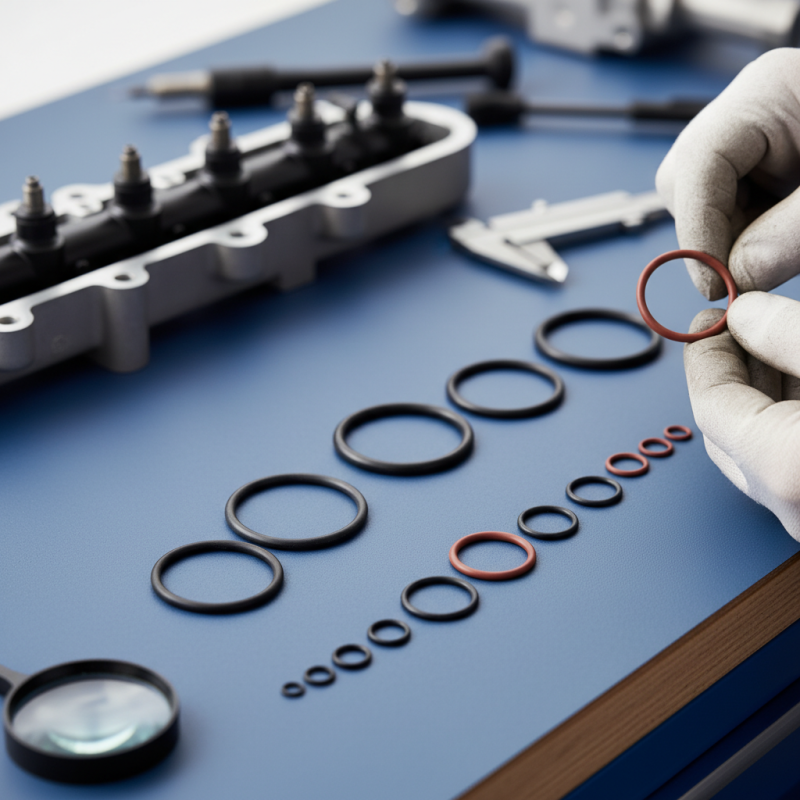
Start by measuring the diameter of the existing O rings. Use calipers for accurate measurements. Pay attention to the thickness as well. A slight variation in size can lead to major problems. If the O rings are too thin, they may not seal properly. If they are too thick, installation can be tough.
Consider the material of the O rings as well. Some are made from rubber, while others use synthetic materials. Each material has its own advantages and disadvantages. Think about the operating temperature and pressure in your vehicle. It might look easy, but the wrong choice can lead to costly repairs later. Remember, buying a cheaper option doesn't always mean you save money. Always reflect on your choices to ensure the best performance.
Fuel O Rings Size Comparison for Different Vehicle Types
Material Options for Fuel O Rings: Pros and Cons
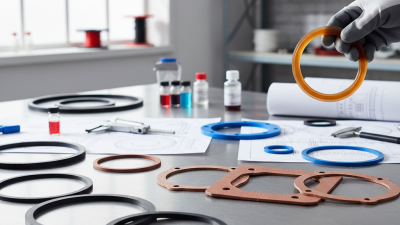
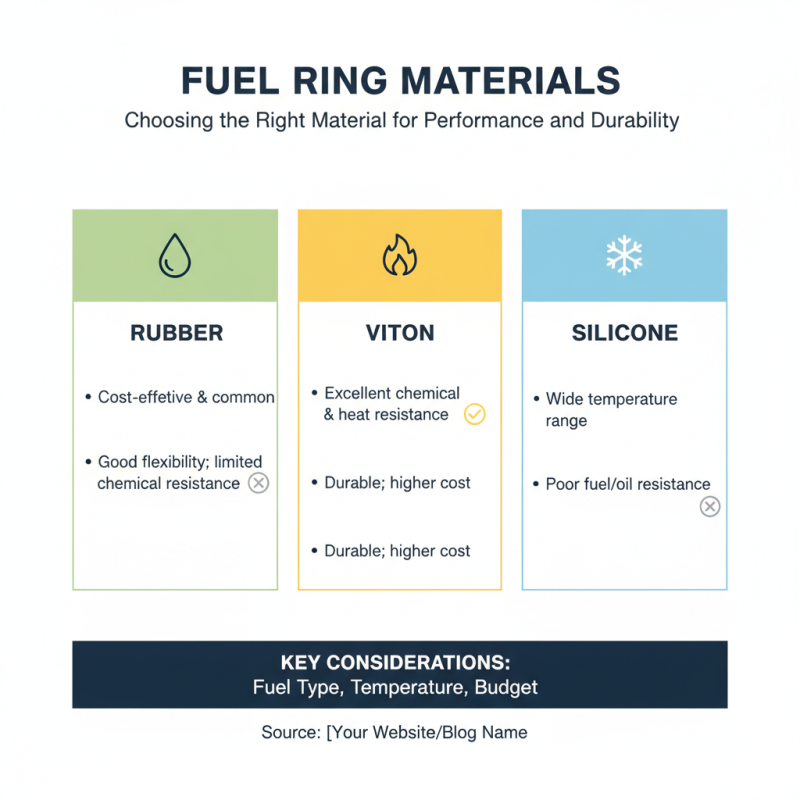
When selecting fuel O rings, material choice is critical. Common options include rubber, Viton, and silicone. Each material has unique benefits and drawbacks.
Rubber O rings are cost-effective and widely used. They handle a range of temperatures. However, they can degrade quickly when exposed to fuels and oils. A study shows that rubber O rings may lose 40% of their integrity in intense chemical environments.
Viton, a fluoropolymer, offers superior chemical resistance. It can withstand high temperatures and aggressive fuels. Yet, it comes at a higher price. The trade-off often raises budget concerns. Some users might find the long-term benefits worth the initial expense.
Silicone O rings are flexible and durable, but they have limitations. They work well in low-pressure settings. Their compatibility with various fuels is concerning. A recent report indicates that silicone can swell up to 30% in certain fuel blends. This swelling can lead to sealing failures. Users must carefully assess their specific needs before deciding.
Maintenance Tips to Extend the Life of Your Fuel O Rings
Fuel O rings play a crucial role in maintaining your vehicle's performance. Regular maintenance is essential to extend their life. According to industry reports, worn O rings can lead to leaks, affecting fuel efficiency and overall engine health. Studies show that replacing O rings every 50,000 miles can reduce these risks significantly.
Inspecting O rings regularly is vital. Look for cracks or signs of degradation. Even small wear can cause fuel leaks. A simple visual check can save you from costly repairs. Using high-quality fuel also helps. Impurities can degrade O rings faster than expected.
Consider environmental factors too. Extreme temperatures can affect O ring performance. In hot climates, they may harden, while cold conditions can cause brittleness. Awareness of these conditions is critical. Regular lubrication can help maintain flexibility and prevent failure. Taking these steps ensures your fuel O rings last longer.