Top 5 Tips for Choosing the Best Rubber Gasket Ring?
When selecting a Rubber Gasket Ring, the choice can significantly impact performance and reliability. According to a recent report by Market Research Future, the global market for rubber gaskets is projected to grow at a CAGR of 4.5% from 2021 to 2027. This statistic highlights the increasing demand for high-quality gasket solutions across various industries. Industry expert John Smith, a renowned analyst at Gasket Innovations, emphasizes, "The right gasket can mean the difference between seamless efficiency and costly failures."
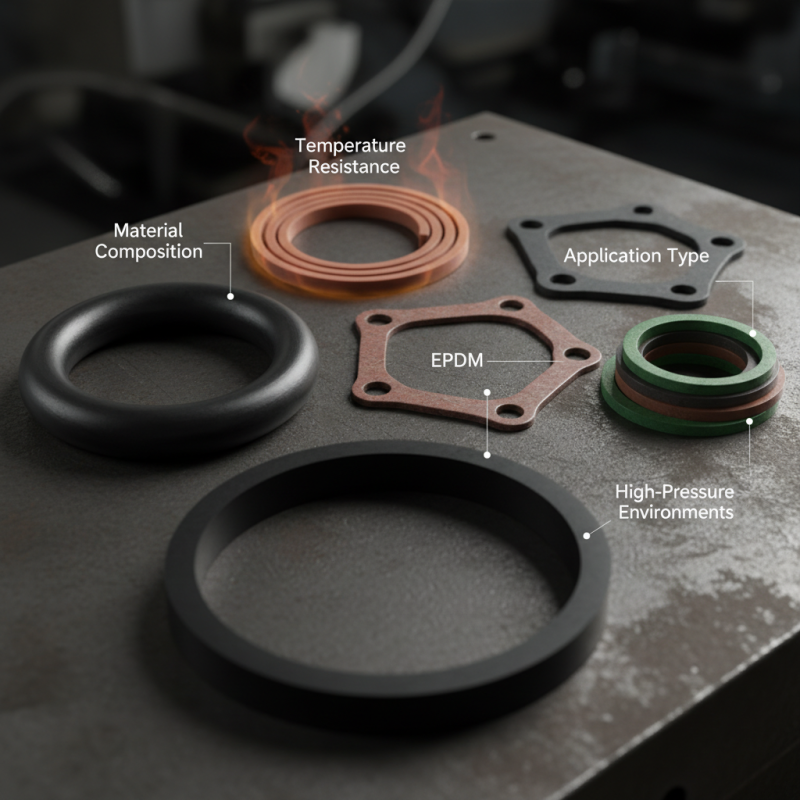
Many factors determine the best rubber gasket ring for your needs. Material composition, temperature resistance, and application type are crucial considerations. For instance, certain materials excel in high-pressure environments while others may degrade quickly under extreme temperatures. This complexity can lead to decision-making challenges, where even small miscalculations can result in significant setbacks.
With the right guidance, selecting the appropriate Rubber Gasket Ring becomes more manageable. However, potential buyers must remain aware of common pitfalls, such as opting for cost over quality. The stakes are high—making the wrong choice can lead to leaks or mechanical failures. Therefore, understanding your specific requirements thoroughly is essential for making informed decisions.
Understanding the Purpose and Function of Rubber Gasket Rings
Rubber gasket rings serve a crucial role in various applications. They create a seal that prevents leaks and contaminants from entering sensitive areas. Using the right gasket ring maintains system integrity. An optimal fit ensures protection against pressure and temperature variations. In industrial settings, this is essential for safety and efficiency.
When selecting a rubber gasket ring, consider the environment it will face. Temperature extremes, exposure to chemicals, or abrasion can affect performance. Think about the material properties of the gasket. Not all rubber types have the same durability. Some may degrade when exposed to certain substances. This is where misjudgments often occur.
Installation plays a critical part too. A poorly placed gasket can lead to leaks, undermining its purpose. Proper alignment is often overlooked. Many users forget to check the surface for contaminants before installing a gasket ring. Small imperfections can lead to significant issues. Commitment to detail is vital for long-lasting results.
Identifying the Right Material for Your Application Needs
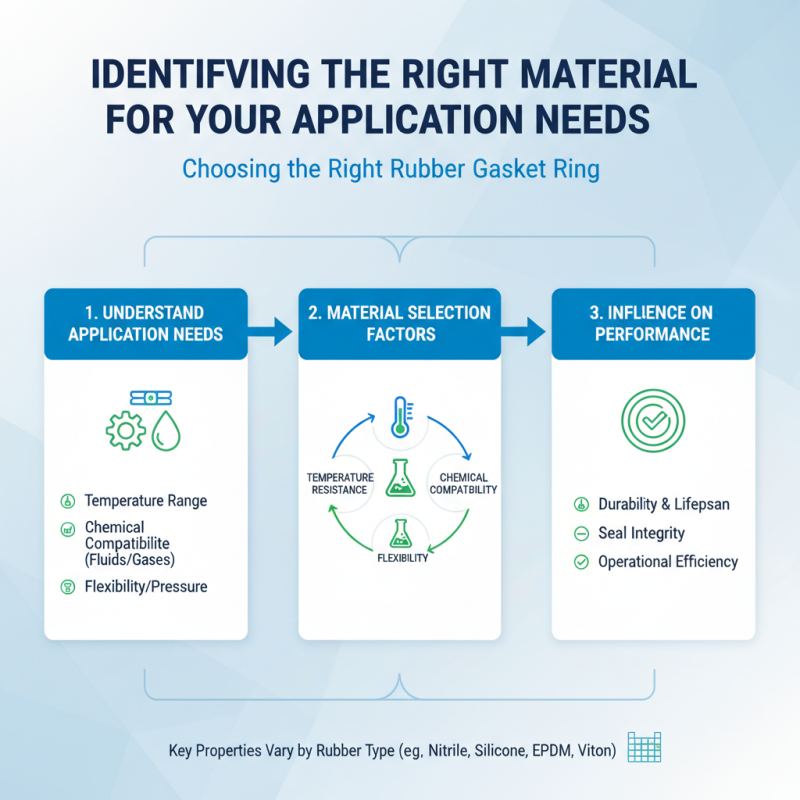
Choosing the right rubber gasket ring starts with understanding your specific application needs. The material you select significantly influences the gasket's performance. Rubber materials differ in properties like temperature resistance, chemical compatibility, and flexibility. It’s essential to identify these factors early.
When assessing material options, consider the environment in which the gasket will operate. For high-temperature applications, silicone rubber can be advantageous. It withstands heat while maintaining elasticity. If exposed to oils or chemicals, Nitrile rubber is often more suitable due to its resilience against corrosive substances.
Remember, not all rubber is created equal. Testing small samples can help identify potential issues. Consistency in quality is crucial for reliability. Whether for industrial or domestic use, knowing the right material can prevent future leaks and failures. Always prioritize research and seek expert advice when necessary.
Assessing Size and Fit for Optimal Performance
When it comes to rubber gasket rings, assessing size and fit is crucial for performance. A report by the Rubber Manufacturers Association highlights that improper sizing can lead to failures in sealing and leakage, affecting machinery and overall efficiency. Choosing the right diameter and thickness is essential. Always measure the flange or mating surfaces to ensure a snug fit.
Tip: Consider the application environment. Will the gasket be exposed to extreme temperatures or chemicals? This impacts the material choice and necessary size. The right rubber compound can withstand specific pressures, thereby enhancing durability.
Another factor is compression set. The American Institute of Rubber Products suggests that too much compression can lead to deformation. It's vital to analyze the application’s requirements carefully. A gasket that’s too tight might not seal effectively.
Tip: Don't overlook elasticity. A well-sized gasket should adapt to the surfaces it seals. This flexibility is crucial for maintaining an effective barrier over time, especially in fluctuating conditions. Understanding these details can ensure optimal gasket performance.
Top 5 Tips for Choosing the Best Rubber Gasket Ring
| Tip |
Description |
Importance |
| Measure Size Accurately |
Use calipers to measure the inner and outer diameter of the application. |
High |
| Consider Material Type |
Select a rubber material suitable for the environment (chemical resistance, temperature). |
High |
| Check Compression Set |
Look for gaskets with low compression set to maintain seal integrity over time. |
Medium |
| Evaluate Temperature Range |
Ensure the rubber gasket can withstand the operational temperature of the application. |
High |
| Assess Flexibility |
Choose a gasket with appropriate flexibility for tight seals in dynamic applications. |
Medium |
Evaluating Environmental Resistance and Durability Factors
When choosing a rubber gasket ring, evaluating environmental resistance and durability is crucial. Different applications expose gaskets to various conditions, including temperature fluctuations, moisture, and chemicals. Thus, selecting a gasket that withstands these factors is vital for longevity and performance.
One tip is to examine the material composition. Rubber types vary significantly in their resistance properties. For example, nitrile rubber offers excellent oil resistance but may degrade under UV light. In contrast, EPDM rubber handles weather exposure well. Understand your working conditions to select the most suitable material.
Another tip involves testing for durability. A gasket should handle repeated compression without losing shape or function. Pay attention to the environmental testing results provided by manufacturers. Ask for data sheets that detail how the gasket performed under various conditions. Not all gaskets will perform as expected.
Evaluate the gasket's ability to resist ozone and chemical exposure. Some gaskets may crack or deform when exposed to certain substances. Knowing these limitations can prevent future leaks or failures. Investing time in understanding these factors leads to more reliable choices.
Top 5 Factors for Choosing the Best Rubber Gasket Ring
Considering Cost vs. Quality for Long-Term Use
When selecting a rubber gasket ring, balancing cost and quality is crucial for long-term use. Low-priced options may seem appealing, but they often lack durability. Consider the environment where the gasket will be used. High-quality materials can withstand heat and chemicals better than cheaper alternatives, reducing the need for frequent replacements.
Look for certifications or industry standards that indicate reliability. These markers show that the product has been tested for quality assurance. Understanding the specific application can help in making informed decisions. Sometimes, investing a bit more upfront saves money in the long run.
Don’t overlook user reviews and expert opinions. Real-world feedback provides insights into the longevity of the gasket. Also, ask for warranties or guarantees. This can offer peace of mind. Even minor details, like the thickness or flexibility of a gasket, can affect performance significantly. Choose wisely, and consider the hidden costs of cheaper materials.