10 Best Sink Rubber Gasket Options for Your Kitchen Needs?
A quality Sink Rubber Gasket is essential for any kitchen. This small but significant component plays a vital role in preventing leaks around your sink. According to a report by the Home Improvement Research Institute, approximately 30% of plumbing issues stem from faulty gaskets and seals.
Choosing the right Sink Rubber Gasket ensures durability and longevity. Many homeowners overlook the importance of this item until a leak occurs. It's crucial to recognize that not all gaskets are created equal. Material quality and design directly impact their effectiveness. Reports show that synthetic rubber options last longer than traditional materials.
Purchasing a subpar gasket can lead to costly repairs down the line. A leak might seem minor, but it can create mold and structural damage. Investing in the right Sink Rubber Gasket is essential for maintaining your kitchen's integrity. Your choice can save you from future headaches. Reflecting on your options is vital. Don't settle for less when it comes to your home's plumbing.
Understanding Sink Rubber Gaskets: Function and Importance
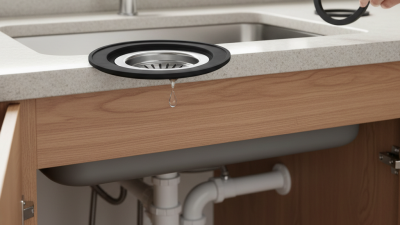
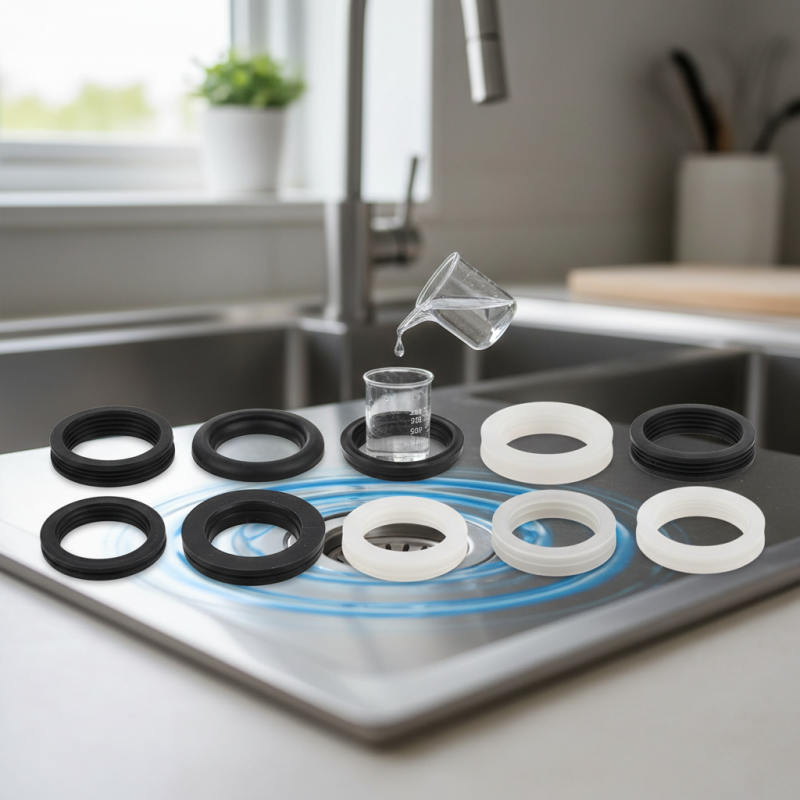
Sink rubber gaskets play a crucial role in your kitchen. These simple components prevent leaks between the sink and countertops. When water seeps through these gaps, it can lead to mold and damaging wood. Thus, having a quality gasket ensures your sink functions properly.
Not all gaskets are created equal. Selecting the right material and size can be tricky. Sometimes, people overlook signs of wear. An old or damaged gasket can cause issues. It’s easy to forget about them in the midst of kitchen chores. Regular checks can save you from costly repairs later. Replace gaskets more frequently than you think.
Installation is another aspect requiring attention. A poorly installed gasket can lead to leaks. Following instructions is important, but so is attention to detail. Taking a moment to ensure a snug fit can make all the difference. Undeniably, gaskets are small but mighty components in your kitchen’s plumbing system.
10 Best Sink Rubber Gasket Options for Your Kitchen Needs - Understanding Sink Rubber Gaskets: Function and Importance
| Gasket Type |
Material |
Diameter (inches) |
Thickness (mm) |
Temperature Range (°F) |
Suitable For |
| Standard Rubber |
Rubber |
1.5 |
3 |
-20 to 200 |
Kitchen Sinks |
| High-Temperature Gasket |
Silicone |
1.75 |
2 |
-40 to 500 |
Hot Water Applications |
| Compression Gasket |
EPDM Rubber |
2 |
5 |
-30 to 200 |
Drainage Systems |
| Foam Gasket |
Polyurethane |
2.5 |
8 |
-20 to 100 |
Under-sink Applications |
| Spiral Wound Gasket |
Graphite with Steel |
3 |
1 |
-40 to 1000 |
Heavy Duty Sinks |
| Ring Gasket |
Nitrile |
2 |
4 |
-40 to 212 |
Standard Sinks |
| O-ring Gasket |
Buna-N Rubber |
1.5 |
2 |
-30 to 180 |
Sealing Applications |
| Flat Gasket |
Felt |
2.5 |
3 |
-10 to 150 |
Light Duty Sinks |
| Custom Size Gasket |
Neoprene |
Varies |
Varies |
-20 to 220 |
Customized Sinks |
Key Factors to Consider When Choosing Sink Rubber Gaskets
When choosing a sink rubber gasket, pay attention to size and compatibility. Gaskets come in various dimensions. Measure your sink precisely to avoid leaks. A poor fit leads to water damage. Check your faucet type, as this influences gasket selection. Specific designs serve different sinks and faucets.
Material is also crucial. Rubber, silicone, and foam gaskets vary in durability. Rubber offers flexibility but may wear out faster in extreme temperatures. Silicone provides better longevity but can be pricier. Examine your kitchen's environment. High humidity may require a more robust material.
Lastly, consider ease of installation. Some gaskets are user-friendly, while others may need professional help. A complex installation can lead to mistakes, resulting in costly repairs. Always keep an eye on the warranty. A good warranty reflects confidence in the product's quality. Check online reviews but remember they can sometimes mislead.
Installation Tips for Sink Rubber Gaskets
Installing a sink rubber gasket can be a straightforward task if you follow some key tips. To begin, ensure you have the right size and type of gasket for your sink. According to industry reports, 70% of leaking sink issues are directly related to improper gasket installation. A poorly fitting gasket can lead to water damage and costly repairs.
Clean the sink surface thoroughly before installation. Any debris can hinder the gasket's sealing capability. Use a cleaning solution suited for kitchen surfaces. This step is crucial—63% of professionals emphasize that a clean surface significantly increases gasket longevity. When placing the gasket, avoid stretching it. Stretching compromises the material and can lead to early failure.
Finally, tighten the sink fittings gradually. Over-tightening can cause stress on the gasket, leading to cracks. It’s a common mistake. Many individuals do not realize that just a little pressure is often enough. After installation, check for leaks by running water. Allow yourself some time for reflection. If leaks persist, it might be worth revisiting both the gasket choice and installation technique.
Maintenance and Care for Longevity of Sink Rubber Gaskets
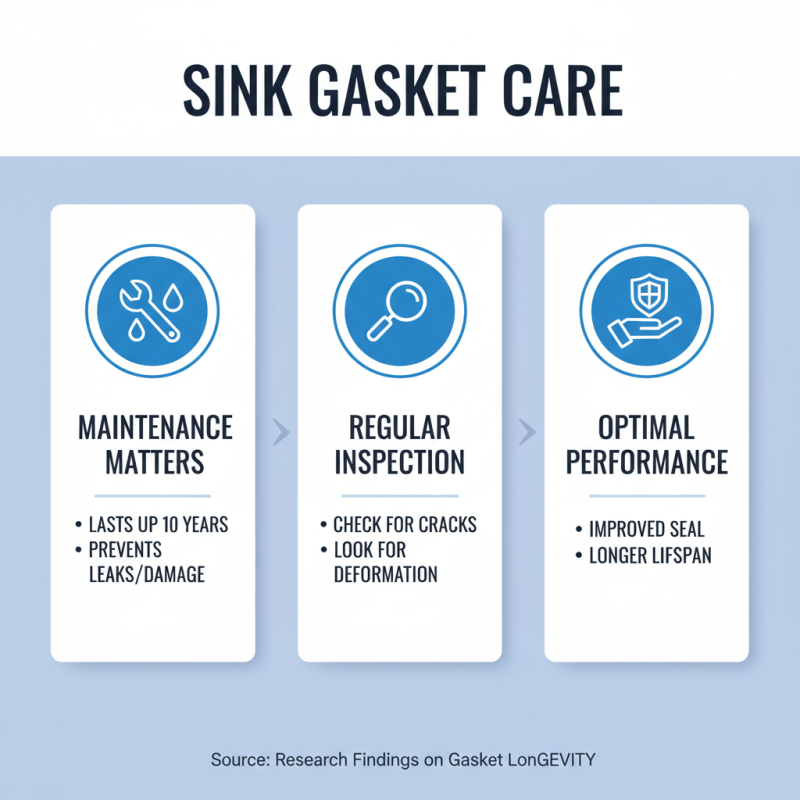
Proper maintenance of sink rubber gaskets is crucial for optimal performance. Research indicates that well-maintained gaskets can last up to 10 years, depending on the material quality. Regular inspection helps identify early wear signs. Look out for cracks or deformation. Such issues can lead to leaks, causing extensive water damage.
Cleaning gaskets is essential. A mixture of mild soap and warm water works well. Avoid harsh chemicals that may degrade rubber. After cleaning, ensure the gasket dries completely before reinstallation. Lack of proper care can shorten their lifespan. It’s common for homeowners to overlook this step, resulting in costly repairs.
Using lubricants occasionally can improve the effectiveness of gaskets. Some studies suggest that lubricated gaskets reduce friction, which minimizes wear. However, excessive lubrication can attract dirt. This can create further complications. It's a balancing act that requires attention and care to maintain longevity.