The Best Propane Tank Rubber Gasket Options for Durability and Safety
When it comes to using propane tanks, safety and durability are paramount. A key component that often goes overlooked is the Propane Tank Rubber Gasket. This seemingly simple part plays a crucial role in maintaining the tank's integrity. Choosing the right gasket can prevent leaks and ensure efficient operation.
However, not all gaskets are created equal. Various options are available, each with unique materials and designs. Some may provide better performance than others. It’s important to understand the specific requirements of your propane tank. Even small differences can lead to significant consequences.
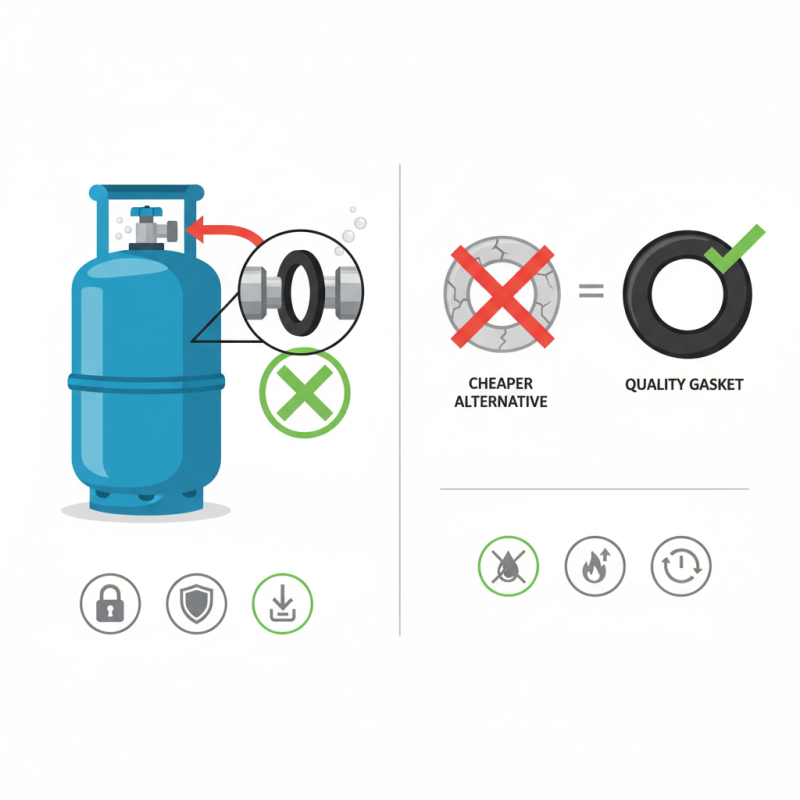
Moreover, investing in a high-quality Propane Tank Rubber Gasket can save you time and money in the long run. It can be tempting to opt for cheaper alternatives. Yet, this choice might compromise safety and durability. An informed decision is critical for anyone who uses propane. After all, reliability in such systems is non-negotiable. Make sure to consider quality when selecting your gasket options.
The Importance of Rubber Gaskets in Propane Tank Safety and Performance
Rubber gaskets play a crucial role in ensuring the safety and performance of propane tanks. These seals prevent leaks, which can lead to dangerous situations. According to a report by the National Fire Protection Association, improper sealing can result in nearly 50% of reported propane tank accidents. Ensuring the integrity of gaskets is non-negotiable for user safety.
It's imperative to choose high-quality rubber gaskets. Factors like temperature resistance, flexibility, and chemical compatibility matter. The best options should withstand extreme weather while maintaining their sealing properties. Regular inspections can help identify worn-out gaskets before they fail. Keep an eye on any visible wear or tear. Even minor damage can compromise safety.
**Tip:** Store propane cylinders in a cool, dry place. This helps maintain the gasket's performance. More importantly, replace the gaskets every few years, even if they appear undamaged. Set a reminder for routine checks. A small investment in rubber gaskets can prevent costly and dangerous failures.
Material Composition of Durable Rubber Gaskets: A Comprehensive Overview
When it comes to propane tank rubber gaskets, material composition is crucial. Gaskets made of durable rubber can significantly enhance safety and prevent leaks. According to recent industry reports, 40% of gas leaks are attributed to poor-quality gaskets. This highlights the need for careful selection of materials in gasket production.
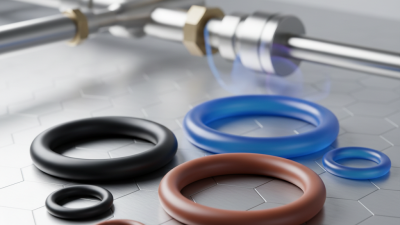
Common materials include neoprene, EPDM, and nitrile rubber. Each has unique properties. Neoprene offers excellent weather resistance. EPDM is well-known for its ozone and UV resistance. Nitrile rubber excels in airtightness and fuel resistance. Choosing the right material can influence not only durability but also safety.
Cross-referencing material longevity, NEVS safety reports show that high-quality rubber gaskets can last over 10 years under proper conditions. Still, not all products live up to expectations. Some consumers report premature wear and failure within a year. This inconsistency raises awareness about vetting sources. A critical assessment is essential to ensure that performance matches the expectations of safety and durability.
The Best Propane Tank Rubber Gasket Options for Durability and Safety
| Material Composition |
Temperature Resistance (°F) |
Chemical Resistance |
Durability Rating |
Price Range |
| EPDM Rubber |
-40 to 250 |
Excellent |
High |
$10 - $20 |
| Nitrile Rubber |
-20 to 250 |
Good |
Medium |
$8 - $15 |
| Silicone Rubber |
-80 to 400 |
Excellent |
Very High |
$15 - $30 |
| Natural Rubber |
-40 to 180 |
Fair |
Low |
$5 - $10 |
| Viton Rubber |
-30 to 400 |
Excellent |
Very High |
$20 - $40 |
Key Features to Look for in High-Quality Propane Tank Rubber Gaskets
When selecting the right rubber gasket for propane tanks, durability and safety are crucial. A high-quality gasket should resist deterioration from heat and chemical exposure. According to industry standards, a good gasket can withstand temperatures ranging from -20°F to 250°F (-29°C to 121°C). This resilience ensures a secure seal under various conditions.
Another vital feature is flexibility. Gaskets made from materials like thermoplastic elastomers (TPE) are often preferred. They offer excellent stretch and compression. This adaptability helps maintain a tight seal, reducing the risk of leaks. Reports show that improper seals can lead to safety hazards, including potential leaks that affect air quality.
Moreover, it's essential to consider compatibility with the liquid propane. Certain materials may interact poorly with propane, leading to degradation over time. Studies reveal that over 30% of gasket failures result from material incompatibility. It's important to evaluate your gasket choice carefully. An overlooked detail can result in costly repairs or safety risks.
The Best Propane Tank Rubber Gasket Options for Durability and Safety
Impact of Temperature Variations on Gasket Longevity and Integrity
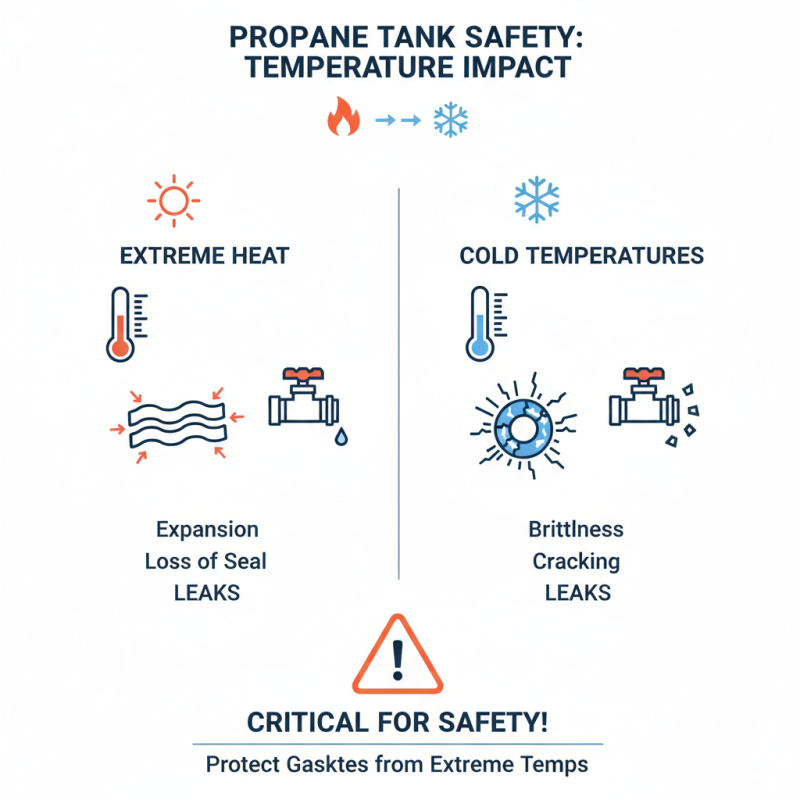
Temperature variations significantly impact the longevity and integrity of rubber gaskets used in propane tanks. Extreme heat can cause materials to expand and lose tightness, leading to potential leaks. On the other hand, cold temperatures can make rubber brittle and prone to cracking. These factors are critical for safety.
When using rubber gaskets outdoors, consider the environment. Fluctuating weather can affect gasket performance. For instance, a gasket that works well in moderate temperatures may fail in extreme conditions. It’s essential to inspect gaskets regularly and replace them when worn or damaged. Ignoring this can lead to serious safety hazards.
Maintaining a consistent temperature can help improve gasket lifespan. Using insulation or protective coverings might be beneficial. However, not every solution works perfectly—some may trap moisture, leading to mold or degradation. It's a delicate balance that requires ongoing evaluation and adjustment.
Industry Standards and Regulations Governing Propane Tank Gasket Safety
The safety of propane tanks largely relies on the quality of their rubber gaskets. These gaskets must meet strict industry standards. They play a pivotal role in preventing leaks and ensuring safe operation. Understanding these regulations is essential for manufacturers and consumers alike.
In the United States, the National Fire Protection Association (NFPA) has established guidelines. These guidelines dictate materials, thickness, and performance under pressure. Compliance with these standards is non-negotiable. Failing to meet them can lead to dangerous situations. Regular inspections are crucial for maintaining safety.
Some may overlook the importance of proper gasket selection. It’s easy to assume any rubber will suffice. However, different temperatures and pressures affect performance. It's necessary to choose gaskets specifically rated for propane use. Making the wrong choice could result in significant risk. Always consult available resources and guidelines when selecting gaskets.