2026 Best Gas Resistant O Rings for Your Applications?
In the fast-evolving world of industrial applications, the demand for durable materials is rising. Gas Resistant O Rings have never been more crucial. According to a market analysis by Reports and Data, the global demand for O rings is expected to reach USD 20 billion by 2026. This surge is driven by increasing industrial activities and technological advancements.
Gas Resistant O Rings offer essential sealing solutions in various sectors, including automotive, aerospace, and oil and gas. These rings protect against gas leaks, safeguarding both equipment and personnel. However, not all gas-resistant materials are created equal. Recent studies highlight the variations in performance based on material composition. Companies often face challenges when selecting the right products.
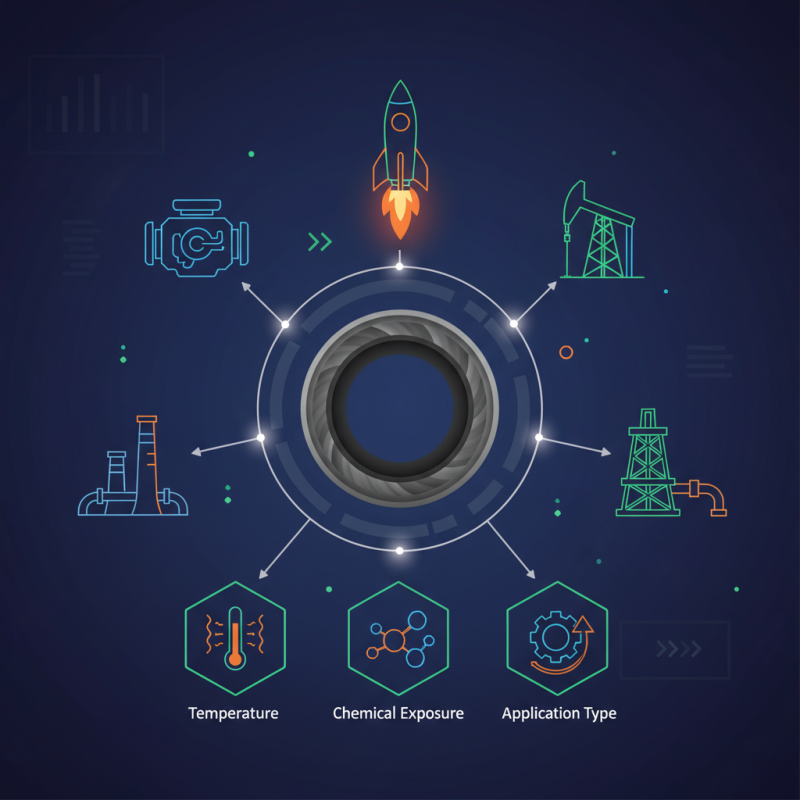
Choosing the optimal Gas Resistant O Rings requires careful consideration. Factors like temperature, chemical exposure, and application type significantly impact performance. Additionally, manufacturers must constantly innovate to meet evolving standards. The pursuit of the best O rings continues, reflecting a broader industry need for reliable solutions.
What Are Gas Resistant O Rings and Their Applications?
Gas resistant O rings are essential components in various industries.
These rings are crucial for sealing applications where gases are involved. They maintain their integrity under extreme conditions.
The materials used in gas resistant O rings include nitrile, fluorocarbon, and silicone.
Each material has unique characteristics that align with specific applications.
One major advantage of gas resistant O rings is their ability to withstand high pressures and temperatures.
This makes them suitable for automotive and aerospace industries. In these sectors, leaks can lead to critical failures.
Another application is in chemical processing, where exposure to harsh gases is common.
These O rings help ensure safety and efficiency in operations.
However, selecting the right O ring can be challenging.
Not all materials perform equally well in every situation.
It requires careful consideration of the gas type and operating conditions. Users may overlook some aspects, leading to issues over time.
Regular maintenance and checks can help mitigate these risks.
Testing different materials in a specific environment can provide valuable insights into their performance.
Types of Materials Used in Gas Resistant O Rings
When selecting gas-resistant O rings, understanding the materials is crucial. These components must exhibit durability against various gases. Common materials include nitrile, fluoroelastomer, and silicone. Nitrile is known for its excellent resistance to oils and fuels. However, it might not be the best choice for high temperatures.
Fluoroelastomers, on the other hand, offer great chemical resistance. They perform well in harsh environments. Yet, they can be more expensive and rigid. Silicone provides flexibility and operates across a wide temperature range. But, its gas permeability can be a concern in certain applications.
The choice of material directly impacts performance. It's essential to consider your specific needs. Testing different options can sometimes reveal unexpected results. Identifying the right material for gas resistance takes time, but it's worth the effort.
2026 Best Gas Resistant O Rings by Material Type
Key Properties of High-Performance O Rings
When selecting gas-resistant O rings, understanding their key properties is essential. High-performance O rings often include materials like fluorocarbon and nitrile, known for their excellent chemical resistance. These materials can handle various gases, ensuring durability in demanding environments.
Compression set is another important factor. A good O ring maintains its shape after compression. However, some materials may compress too much, leading to leaks. Consider the operating temperature range as well. Extreme temperatures can weaken some elastomers, leading to failure.
Additionally, thickness and diameter matter. An O ring that's too thick may not fit well in a groove. On the other hand, a thin ring may stretch and fail. Ensure proper dimensions to avoid potential issues. Many overlook these details, leading to compromised performance. The right O ring can save time and costs in the long run.
Factors to Consider When Choosing O Rings for Gas Applications
When selecting O rings for gas applications, several factors must be carefully considered. The material of the O ring plays a crucial role. Not all materials withstand gas exposure. For example, nitrile and fluorocarbon rubber are popular choices. They offer good resistance to many gases. However, they may not be ideal for all applications. It is essential to evaluate temperature and pressure conditions as well.
Another important factor is size and fit. An O ring that is too small or too large will not seal properly. This can lead to gas leaks, which may be dangerous. It’s crucial to measure accurately. Using proper tools can help ensure the right dimensions are achieved. Furthermore, compatibility with the gas type is vital. For instance, certain gases can degrade specific O ring materials over time.
Experts recommend testing O rings under realistic conditions. Sometimes, this may reveal unexpected issues. For example, swelling or degradation in a gas environment can happen. It’s wise to gather feedback from others in similar fields. By discussing experiences, you may discover important insights. Ensuring the correct choice can save time and costs in the long run.
Top Brands and Products of Gas Resistant O Rings in 2026
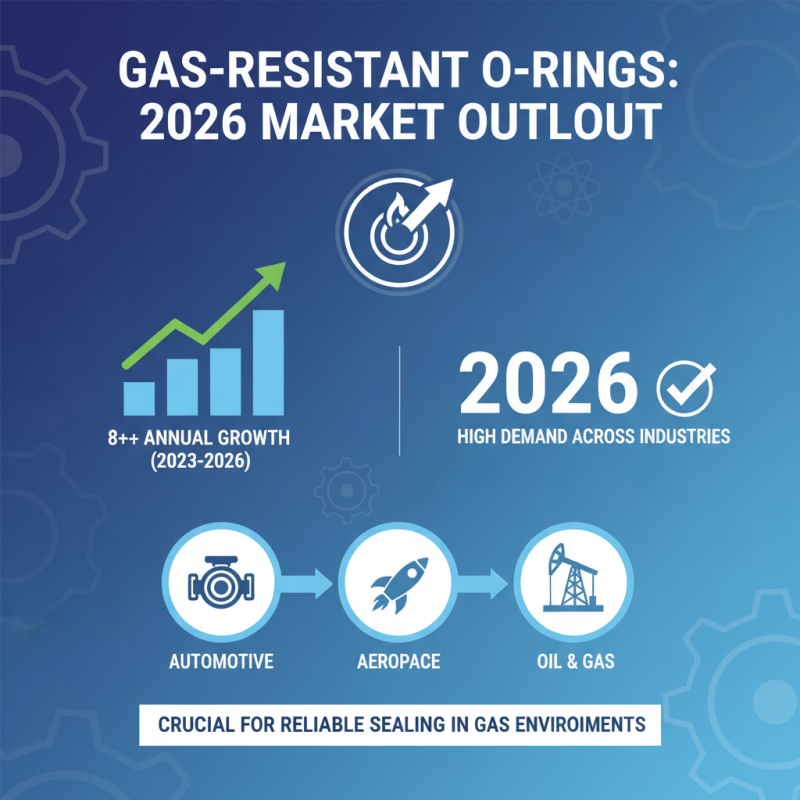
In 2026, the demand for gas-resistant O-rings remains high across multiple industries. These components are crucial for sealing applications that require resistance to various gases. An industry report from 2023 indicates a projected growth in the gas-resistant O-ring market by over 8% annually through 2026. This surge emphasizes the necessity for reliable sealing solutions in sectors such as automotive, aerospace, and oil and gas.
Key characteristics of exceptional gas-resistant O-rings include material composition, durability, and temperature resistance. Compounds such as FKM, silicone, and EPDM are popular due to their ability to withstand harsh environments. The latest data reveals that FKM O-rings offer superior resistance to aggressive gases. However, not all products meet the necessary standards. Flaws can arise from improper material selection or manufacturing processes. This variability can lead to premature failure and safety hazards.
Producers must focus on quality testing and certifications. Reliable testing ensures that O-rings will perform under pressure. The right choice often means balancing cost and material efficacy. As businesses seek to optimize operations, choosing the best product can be challenging. Investing in research and development is crucial. It can help mitigate risks associated with inadequate sealing solutions.