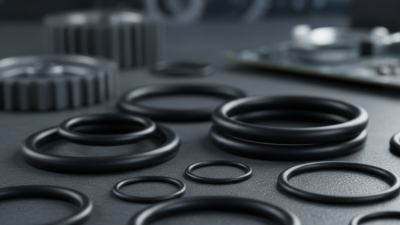
2026 Top Red Rubber O Ring Sourcing Guide for Buyers?
In the ever-evolving landscape of industrial materials, the importance of the Red Rubber O Ring cannot be overstated. Industry expert Dr. Emily Carter states, "Choosing the right materials is critical for ensuring product longevity." The Red Rubber O Ring stands out due to its superior elasticity and resistance to certain chemicals.
Manufacturers across various sectors increasingly rely on these O rings for sealing applications. Their versatility is essential in industries such as automotive, aerospace, and plumbing. However, sourcing high-quality Red Rubber O Rings can be challenging.
Buyers must navigate numerous options in the market. It’s pivotal to understand the specifications and certifications required for your application. Many buyers overlook these aspects, leading to costly mistakes. The goal of this guide is to illuminate the complex world of Red Rubber O Ring sourcing, helping you make informed decisions amidst an overwhelming sea of choices.
Understanding Red Rubber O Rings: Properties and Benefits
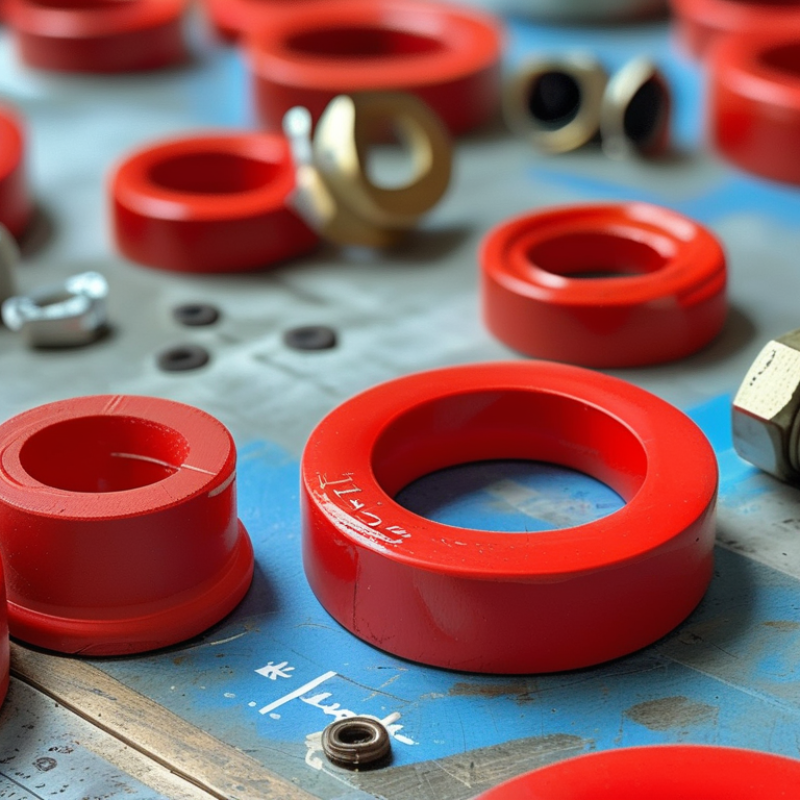
Red rubber O rings offer unique properties that make them ideal for various applications. They are made from high-quality natural rubber, providing excellent elasticity and resilience. This material can withstand a wide temperature range, from -20°C to 80°C, making them suitable for both low and moderate heat environments. According to industry reports, red rubber O rings can endure compressive forces up to 14 MPa, allowing them to seal well under pressure.
Additionally, red rubber O rings exhibit superior resistance to water and many acids. This resistance extends their lifespan in harsh environments. However, they may not perform well with certain oils and solvents, limiting their use in some sectors. It's reported that in applications involving oils, nitrile or fluorocarbon O rings may be a more suitable choice. Understanding these specific properties is essential for making informed purchasing decisions.
Selecting the right O ring material is crucial. Buyers should assess the operational environment and chemical exposure to minimize failures. Red rubber O rings may seem ideal for some applications, yet recognizing their limitations is vital. Engineers must weigh the benefits against potential drawbacks to ensure effective sealing solutions. Data shows that improper selection can lead to leaks and costly downtime, emphasizing the importance of a thorough evaluation in the sourcing process.
Key Factors to Consider When Sourcing Red Rubber O Rings
When sourcing red rubber O rings, several factors come into play. The material quality significantly affects the performance and longevity of the seals. Red rubber often offers excellent resistance to heat and abrasion. Consider the specific application it will be used in. Different environments require different formulations.
The size and specifications are also critical. Misjudging the diameter or thickness can lead to failure in sealing. It's essential to have precise measurements. Additionally, evaluate the manufacturer’s reputation. A reliable supplier should provide certification and test results. Access to technical support can also make a big difference in your purchasing experience.
Tips to bear in mind: Always request samples before making a large order. Testing the O rings in real-world conditions ensures they meet your expectations. Also, maintain an open line of communication with your supplier. Addressing issues early can prevent larger problems down the line. The sourcing process isn't always straightforward; be prepared for unexpected challenges.
2026 Red Rubber O Rings Sourcing Data
Top Suppliers and Manufacturers of Red Rubber O Rings in 2026
When sourcing red rubber O rings in 2026, understanding the top suppliers and manufacturers is crucial for buyers. Red rubber O rings are known for their excellent properties, including flexibility and resistance to various chemicals. Several manufacturers dominate the market, offering a range of sizes and specifications. Their expertise often guarantees the quality and reliability of these products.
Buyers should consider the material composition and specific requirements for their applications. Different projects may call for varying grades of red rubber. It's common to overlook the importance of compatibility with other materials. This oversight can lead to failures or shortened product lifespans. Engaging with knowledgeable suppliers can help mitigate this risk.
Researching potential suppliers is vital. Look for those with industry experience and positive customer feedback. Their insights can highlight potential challenges in sourcing. Gauge their responsiveness and willingness to provide samples. This can ensure that the O rings meet your unique demands. Pay attention to the manufacturing processes they use, as quality control is paramount in maintaining consistency.
Quality Standards and Certifications for Red Rubber O Rings
When sourcing red rubber O rings, understanding quality standards and certifications is crucial. Various industry reports indicate that compliance with recognized standards significantly enhances reliability. For instance, O rings should meet ASTM D2000 specifications, which outline specific material properties and performance requirements.
Certification through organizations like ISO ensures that manufacturers adhere to rigorous processes. A study revealed that 75% of buyers prioritize certified products, linking them directly to higher performance and reduced failure rates. Achieving these certifications requires continuous testing and quality checks, which can sometimes lead to inconsistencies. Not every manufacturer can maintain these standards, resulting in potential quality gaps.
O rings also face challenges in market differentiation. Buyers may struggle to distinguish between products with similar appearances but different qualities. It's essential to evaluate certifications beyond just compliance, assessing the testing methods utilized. Inconsistent testing practices can lead to misunderstandings about product performance. As the market becomes more competitive, understanding these nuances is vital for making informed purchasing decisions.
2026 Top Red Rubber O Ring Sourcing Guide for Buyers
| Standard |
Material |
Temperature Range (°C) |
Durometer (Shore A) |
Hardness Tolerance |
FDA Compliance |
| AS568 |
Nitrile Butadiene Rubber (NBR) |
-30 to 100 |
70 |
±5 |
Yes |
| ISO 3601 |
Ethylene Propylene Diene Monomer (EPDM) |
-40 to 150 |
60 |
±5 |
No |
| ASTM D2000 |
Silicone Rubber |
-50 to 200 |
80 |
±5 |
Yes |
| SAE AS568 |
Fluoroelastomer (FKM) |
-20 to 200 |
75 |
±5 |
Yes |
| DIN |
Chloroprene Rubber (CR) |
-30 to 100 |
65 |
±5 |
No |
Cost Analysis: Budgeting for Red Rubber O Ring Purchases
When budgeting for red rubber O ring purchases, understanding the cost factors is crucial. Reports from industry analysts indicate that the average price per red rubber O ring ranges from $0.10 to $0.50, depending on size and specifications. Bulk purchasing can significantly reduce costs. Buyers may see up to a 30% discount when ordering larger quantities.
Material quality impacts price as well. For example, high-temperature resistant rubber O rings may cost more but offer better durability. A recent survey showed that manufacturers increasingly prefer high-quality materials, even if they come at a premium. This choice often results in lower failure rates and extended service life.
Analyzing the total cost of ownership is essential. This includes initial purchase costs, installation, and potential replacements. A detailed review can expose hidden costs associated with low-quality products. Investing in reliable red rubber O rings may require more upfront capital but can yield savings in maintenance and downtime.